

4mm clear float glass
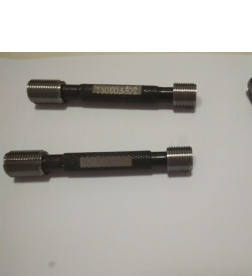
Understanding the Bore Gauge A Crucial Tool for Precision Measurement In the realm of engineering and manufacturing, precision is paramount. One of the most essential tools that contribute to achieving such precision is the bore gauge. This instrument is specifically designed to measure the internal diameter of holes, cylinders, and tubes, making it an invaluable asset in various industries, including automotive, aerospace, and manufacturing. What is a Bore Gauge? A bore gauge, also known as a bore micrometer or internal micrometer, is a precision measuring instrument used to determine the size of a hole or bore with high accuracy. Most bore gauges are equipped with a set of interchangeable measuring heads or anvils, which allow users to measure different sizes. This versatility makes them suitable for measuring a wide range of diameters, from small holes in intricate components to larger bores in heavy machinery. Types of Bore Gauges There are several types of bore gauges, each designed for specific applications 1. Dial Bore Gauge This is one of the most common types, featuring a dial indicator that provides a visual readout of the measurements. The dial bore gauge is known for its ease of use and is suitable for general measuring needs. 2. Digital Bore Gauge Incorporating modern technology, digital bore gauges offer quick and accurate readings displayed on an LCD screen. These gauges often come with features such as data logging and connectivity options, making them ideal for more complex measurement tasks. 3. Tapered Tip Bore Gauge This type is designed with a tapered tip that allows for easy insertion into bore holes. It is particularly useful for measuring cylindrical parts where access may be challenging. 4. Measuring Rod Gauge Instead of an indicator, this type utilizes a measuring rod that can be inserted into the bore for direct measurement. It is less common but can be useful in specific applications. How to Use a Bore Gauge alat ukur bore gauge Using a bore gauge requires precision and attention to detail. Here are the basic steps involved in measuring a bore 1. Preparation Ensure that the bore gauge is clean and in good working condition. Remove any debris or contaminants from the bore to avoid inaccurate measurements. 2. Select the Right Measuring Head Choose the appropriate measuring head that best fits the diameter of the bore you intend to measure. 3. Insert the Gauge Carefully insert the gauge into the bore, ensuring that it is perpendicular to the bore walls to obtain an accurate reading. 4. Adjust and Lock Once the gauge is in place, adjust it until it contacts the bore walls lightly. Lock the setting to secure the measurement. 5. Read the Measurement Depending on the type of bore gauge, read the measurement directly from the dial or digital display. It is essential to take the measurement at multiple locations along the bore to ensure consistency. Importance of Bore Gauges in Industry The accuracy of measurements taken by bore gauges directly impacts the quality and functionality of manufactured parts. In industries where tolerances are tight, using a bore gauge can help ensure that components fit together perfectly, preventing costly errors and rework. For example, in the automotive industry, ensuring that engine cylinders are manufactured to precise specifications can significantly enhance engine performance and longevity. Conclusion In conclusion, the bore gauge is an essential tool in achieving precision in manufacturing and engineering processes. By providing accurate measurements of internal diameters, it plays a significant role in ensuring the quality and interoperability of a wide array of components. As industries continue to evolve, the bore gauge remains a cornerstone of quality assurance, helping to maintain the high standards expected in today’s competitive market.
about
4mm clear float glass
Understanding Metal Table Fabrication A Comprehensive Overview Metal table fabrication is a specialized process that involves creating high-quality metal tables for various uses, ranging from residential to industrial applications. This intricate process combines technology, craftsmanship, and design principles to produce functional and aesthetically pleasing pieces. In this article, we will delve into the steps involved in metal table fabrication, the materials commonly used, and the advantages of choosing metal tables over other materials. The Fabrication Process The fabrication of metal tables involves several key steps, starting with design and planning. This initial phase is crucial, as it establishes the dimensions, style, and functionality of the table. Modern manufacturers often utilize computer-aided design (CAD) software to create detailed blueprints, allowing for precision and customization. Once the design is finalized, the next step is material selection. Common metals used in table fabrication include stainless steel, aluminum, and carbon steel. Each material offers distinct characteristics stainless steel is known for its corrosion resistance and durability, aluminum is appreciated for its lightweight nature and ease of handling, while carbon steel provides robustness and strength. After selecting the material, the fabrication process begins. This typically involves several techniques, such as cutting, bending, welding, and finishing. Laser cutting is a popular method, as it allows for intricate designs and seamless edges. Bending is often done using press brakes to shape the metal into the desired form. Welding is crucial for assembling the components, ensuring structural integrity. Finally, finishing techniques like powder coating or polishing enhance the aesthetic appeal and protect the surface from wear and tear. Advantages of Metal Tables Metal tables offer numerous advantages over tables made from other materials like wood or plastic. One of the most significant benefits is their durability. Metal tables are built to withstand heavy usage and are resistant to scratches, dents, and stains . This makes them an ideal choice for high-traffic areas such as restaurants, factories, or workshops. metal table fabrication Another advantage is their low maintenance requirements. Unlike wooden tables that may require regular treatments to prevent warping and damage, metal tables are easy to clean and maintain. Most metals can be wiped down with simple cleaning solutions, and their surfaces are less prone to harboring bacteria, making them more hygienic. Furthermore, metal tables can be customized to fit various design aesthetics. They can be finished in an array of colors and textures, making it easy to match them with existing decor. Whether it’s a sleek modern design or a more industrial look, metal tables can accommodate a wide range of styles. Sustainability and Innovation In recent years, the focus on sustainability within the metal fabrication industry has grown. Many manufacturers are now incorporating recycled metals in their products, reducing the environmental impact. Additionally, advancements in technology have led to more energy-efficient fabrication processes, further contributing to sustainable practices. Innovation does not stop at materials; new designs and manufacturing methods continue to emerge. For instance, the integration of smart technology is becoming more prevalent, with features such as adjustable height tables or integrated power outlets. Conclusion Metal table fabrication is a multifaceted process that combines creativity, engineering, and craftsmanship. The resulting tables not only serve practical purposes but also add aesthetic value to any space. With their durability, low maintenance, and customizable design options, metal tables are an excellent choice for various applications. As the industry moves towards sustainability and innovation, consumers can expect even more exciting developments in metal table fabrication in the future. Whether for home, work, or recreational use, investing in a metal table is a decision that will stand the test of time.
-

High quality industrial productsagement

High quality industrial products
View Details -

Meet the diverse needs of customers

Meet the diverse needs of customers
View Details -

Strict quality control

Strict quality control
View Details -

Top raw materials

Top raw materials
View Details -

Trusted supplier

Trusted supplier
View Details
Our application

news and information
Y Type Water Strainer for Efficient Filtration and Flow Control Solutions
Understanding Y-Type Water Strainers Functionality and Applications Water strainers are essential co
Válvula de cierre 3 4
Válvulas de Globo Características y Aplicaciones Las válvulas de globo son un tipo esencial de válvu
Water Control Solutions for Efficient Valve Management in Plumbing Systems
The Importance of Valve Water Management in Industrial Applications In various industrial operations
 English